I read about 30 books a year. Most are forgettable. But a handful have genuinely changed how I work, hire, and coach. Here are the 12 I rate in 2026, ranked roughly by career stage from “first job” to “senior leadership.”
Why read career books at all?
Honestly — most of the advice you need is free on YouTube and substack. The reason to read a full book is to spend 8 hours with one author’s thinking, which builds intuition you can’t get from a 12-minute video.
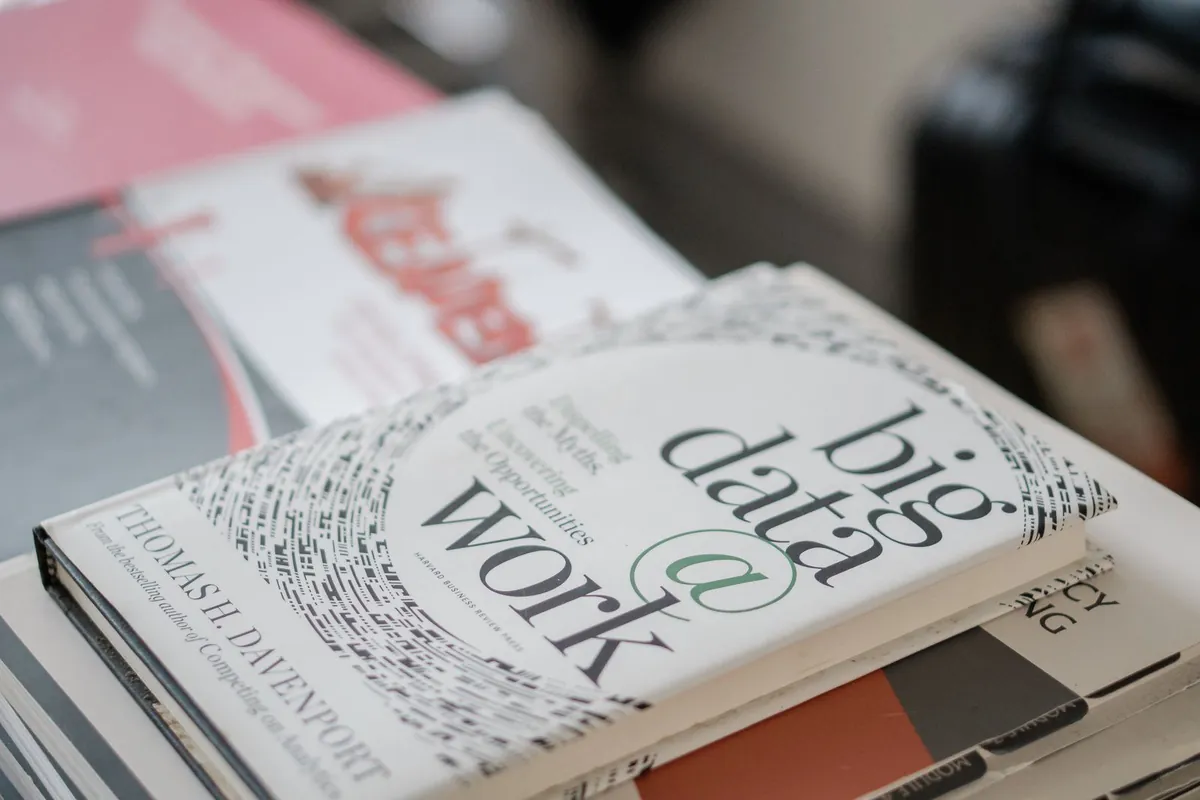
The 12 career books that changed how I work
1. So Good They Can’t Ignore You — Cal Newport
Read at: first 1-3 years of any career. Key idea: “follow your passion” is bad advice. Build rare and valuable skills, then passion follows. This book reset my entire view of career strategy when I read it in 2018.
2. Deep Work — Cal Newport
Read at: any stage. Key idea: the ability to focus without distraction is becoming both rare and economically valuable. The four rules are practical, not abstract.
3. Atomic Habits — James Clear
Read at: any stage. Key idea: systems beat goals. The “two-minute rule” alone changed how I onboarded into my second FTSE 250 role.
4. Never Split the Difference — Chris Voss
Read at: before any salary negotiation. Key idea: ex-FBI hostage negotiator translates tactics for everyday business. “Mirroring” and the calibrated question template are gold. Pair with my pay rise scripts.
5. The 7 Habits of Highly Effective People — Stephen Covey
Read at: early career. Key idea: old but still relevant. The “circle of influence vs circle of concern” model is one I still use weekly.

6. The Pathless Path — Paul Millerd
Read at: when you’re questioning the corporate ladder. Key idea: a calm critique of “default path” careers, written by an ex-McKinsey consultant who quit. Honest about both the pros and cons of leaving.
7. Range — David Epstein
Read at: career switchers. Key idea: generalists often beat specialists in complex domains. A reassuring read if you’re worried about pivoting late.
8. The Score Takes Care of Itself — Bill Walsh
Read at: first management role. Key idea: standards before results. The American football references can feel heavy but the leadership ideas are universal.
9. Lean In — Sheryl Sandberg
Read at: early-to-mid career, especially women in male-dominated fields. Key idea: dated in places, but the “sit at the table” chapter and the negotiation research still land.
10. Show Your Work! — Austin Kleon
Read at: building a personal brand. Key idea: document the process, share generously, become discoverable. 90-minute read. Hugely undervalued. See my portfolio guide.

11. The Psychology of Money — Morgan Housel
Read at: first proper salary. Key idea: personal finance is more about behaviour than maths. Short, punchy chapters. The “no one is crazy” frame is the most useful financial mental model I’ve found.
12. Designing Your Life — Bill Burnett & Dave Evans
Read at: any inflection point. Key idea: use product-design thinking on your own career. The “Odyssey Plans” exercise is brilliant.
Which one should I read first?
If you’re in your first 3 years: So Good They Can’t Ignore You. If you’re in your first management role: The Score Takes Care of Itself. If you’re stuck on a major decision: Designing Your Life.
UK vs US authors — does it matter?
Most of the strongest career books are by US authors. That’s fine — the frameworks travel. The one caveat is salary and benefits chapters, which are US-centric. Translate £ for $ and adjust for the UK norm (lower base, less equity, stronger pension).
Which ones can I skip?
Be wary of anything with “ninja”, “rockstar” or “10X” in the title. And most LinkedIn-influencer-authored books — they’re usually 200-page versions of a single post.
How should I actually read them?
One at a time. Take five notes per book in a Notion doc. Re-read the notes once a quarter. The books that survive that filter become permanent reference material.
Related reads
- How to negotiate a pay rise — scripts
- Imposter syndrome at work — how to overcome it
- The Sunday reset routine
- Career switching at 25 or 30
FAQ
Are audiobooks as good as physical books?
For habit and mindset books, yes. For frameworks and templates, physical is better — you’ll want to annotate.
How many career books should I read a year?
4–6 is plenty. More than that, you’ll struggle to apply anything.
Are old books still relevant?
The frameworks in Covey and Walsh’s books still work. The tech references don’t. Read for principles, not tactics.
Can I get most of this from podcasts?
Partly. But books force depth that podcasts skip. Use both.
Where do I buy them in the UK?
Bookshop.org if you want to support independent shops. Amazon for speed. Local libraries are underrated — most have all 12.
